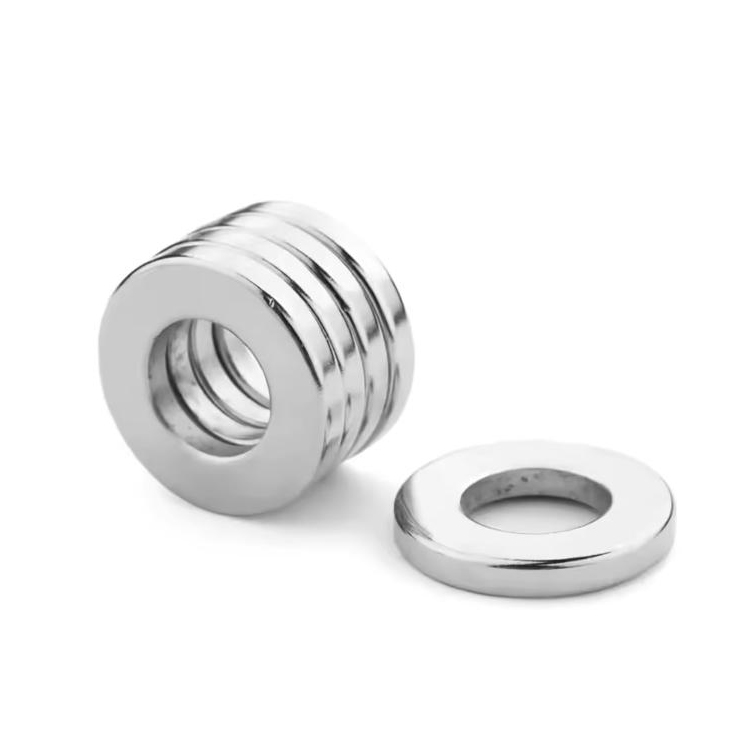
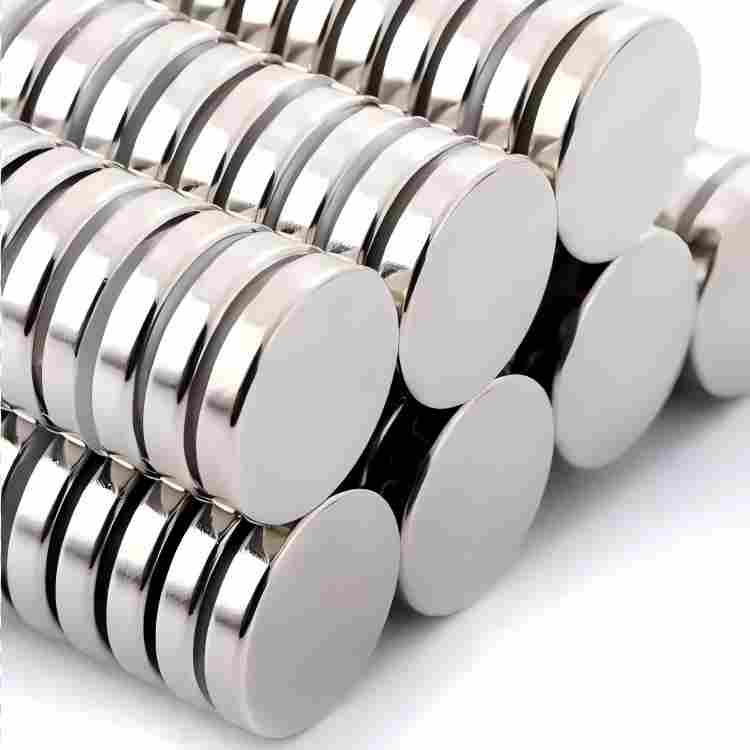
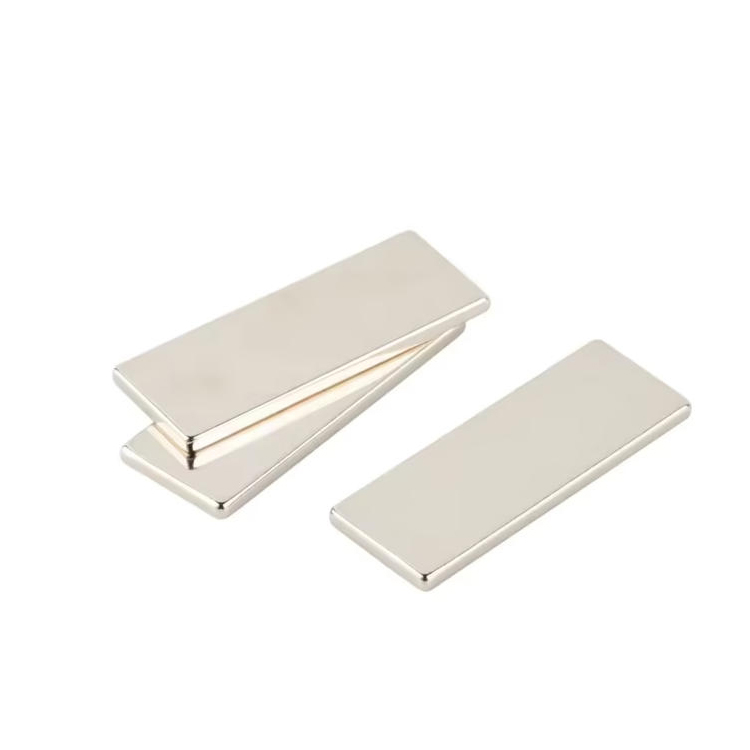
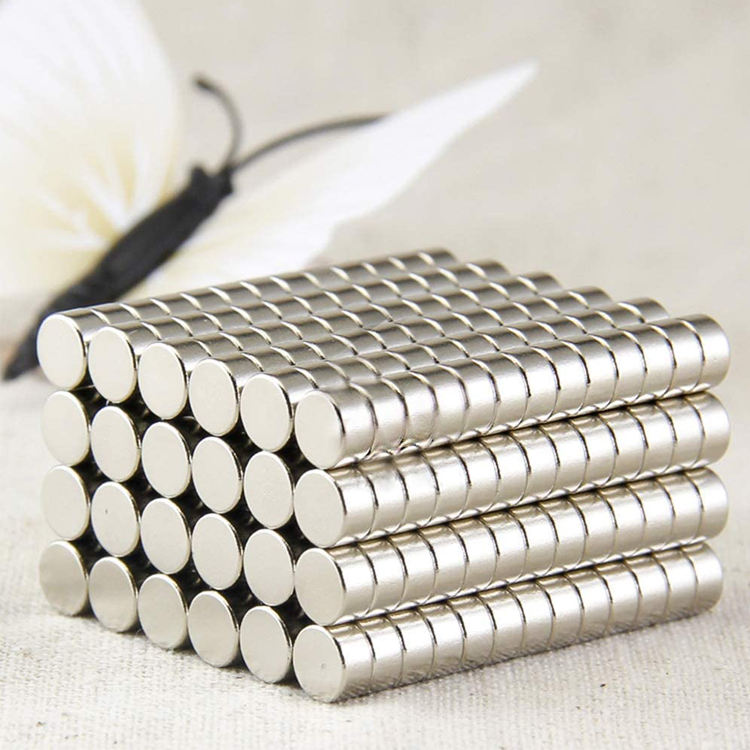
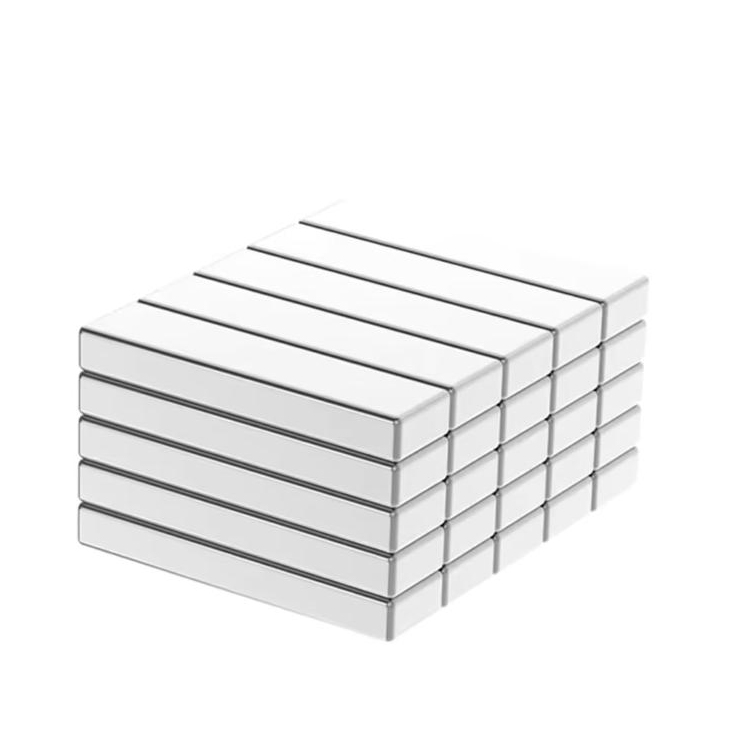
Industrial machinery relies heavily on strong, reliable magnets. Among them, Neodymium Block Magnets—including NdFeB block magnets, sintered NdFeB magnets, and rare earth block magnets—have become indispensable due to their compact size and exceptional magnetic strength. However, even experienced engineers can make mistakes that compromise performance, safety, or lifespan. DAWA, a leading provider of industrial-grade magnets, highlights the most frequent pitfalls and how to avoid them.
Understanding Magnet Selection: The First Step
The foundation of successful magnet use begins with choosing the right material and grade. NdFeB block magnets come in grades ranging from N35 to N52, each with different energy products and magnetic strength. A common mistake is selecting a magnet that is either underpowered or unnecessarily over-specified.
Underpowered magnets may fail to provide sufficient torque or magnetic flux, leading to reduced efficiency in motors and generators. On the other hand, over-specifying the grade can unnecessarily increase costs and complicate the mechanical integration of sintered NdFeB magnets.
DAWA Advice: Evaluate operational requirements carefully. Consider torque, flux density, and temperature environment when choosing the magnet grade.

Temperature and Environment: Often Overlooked Factors
Industrial environments are rarely ideal. High temperatures, humidity, or chemical exposure can weaken magnets if not accounted for. Standard rare earth block magnets can lose magnetism under heat, and moisture can corrode uncoated surfaces.
Many industrial errors occur because these environmental factors are ignored during design. For example, placing NdFeB block magnets near high-heat components without heat-resistant grades can degrade magnetic performance quickly. Similarly, neglecting protective coatings can result in rust or oxidation over time.
DAWA Solution: Use high-temperature grades and corrosion-resistant coatings such as epoxy or nickel. This ensures long-term stability and reduces maintenance needs.
Handling and Installation: Brittleness Matters
A major source of damage in industrial settings is improper handling. Sintered NdFeB magnets are inherently brittle and prone to chipping or cracking. Mishandling during installation—dropping magnets, improper alignment, or applying excessive force—can compromise their structural integrity.
Best Practice: Use proper fixtures, gloves, and alignment tools. For larger magnets, mechanical supports or adhesives can prevent detachment or breakage. DAWA provides industrial neodymium iron boron magnets with optimized tolerance for safe installation.

Design Integration: Avoiding Performance Loss
Even the highest-quality NdFeB block magnets can underperform if integrated poorly. Issues such as improper spacing, misaligned flux paths, or inadequate shielding in sensitive equipment can reduce efficiency or cause demagnetization.
DAWA Recommendation: Collaborate with engineers to design the magnetic circuit carefully. Proper orientation, spacing, and alignment maximize the potential of rare earth block magnets in industrial machinery.
Maintenance: The Invisible Key to Longevity
Regular inspection and maintenance are often overlooked. Dust, debris, or chemical residues can weaken magnets over time. In high-vibration environments, unsecured NdFeB block magnets may loosen, causing operational hazards.
DAWA Advice: Establish a routine for cleaning and inspecting magnets. Check coatings and mechanical mounts periodically to maintain optimal performance of sintered NdFeB magnets.

Supply and Customization: Critical for B2B Projects
For industrial clients, magnet reliability isn’t only about performance—it’s also about supply. Inconsistent batches or lack of customization options can disrupt production schedules. Bulk supply and tailored sizes ensure magnets integrate seamlessly into industrial equipment.
DAWA Advantage: Offers scalable solutions with bulk supply, custom dimensions, and coatings to meet the specific needs of OEM and industrial clients.
Conclusion:
Using Neodymium Block Magnets effectively in industrial applications requires more than just strength. Common mistakes include selecting the wrong grade, ignoring temperature limits, mishandling, poor circuit integration, insufficient maintenance, and unreliable supply.
By addressing these factors and partnering with trusted suppliers like DAWA, industrial clients can maximize the performance, reliability, and safety of their NdFeB block magnets, sintered NdFeB magnets, and rare earth block magnets across motors, generators, and precision machinery.