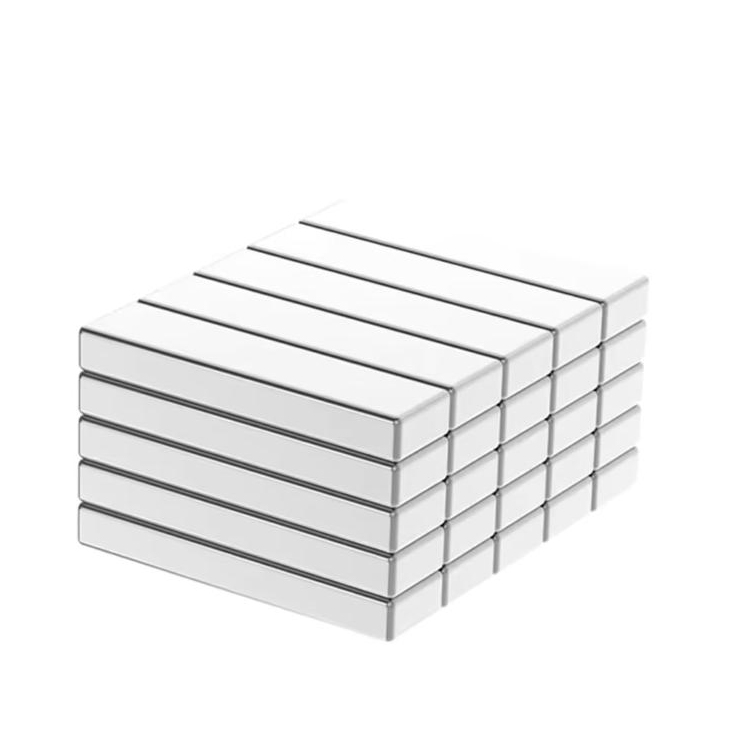
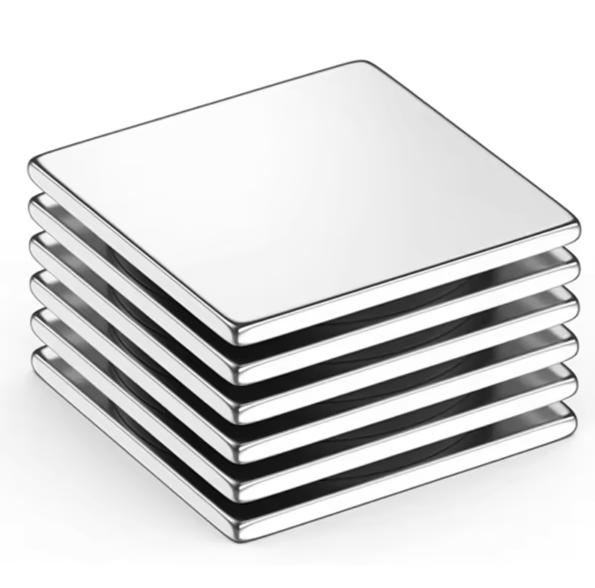
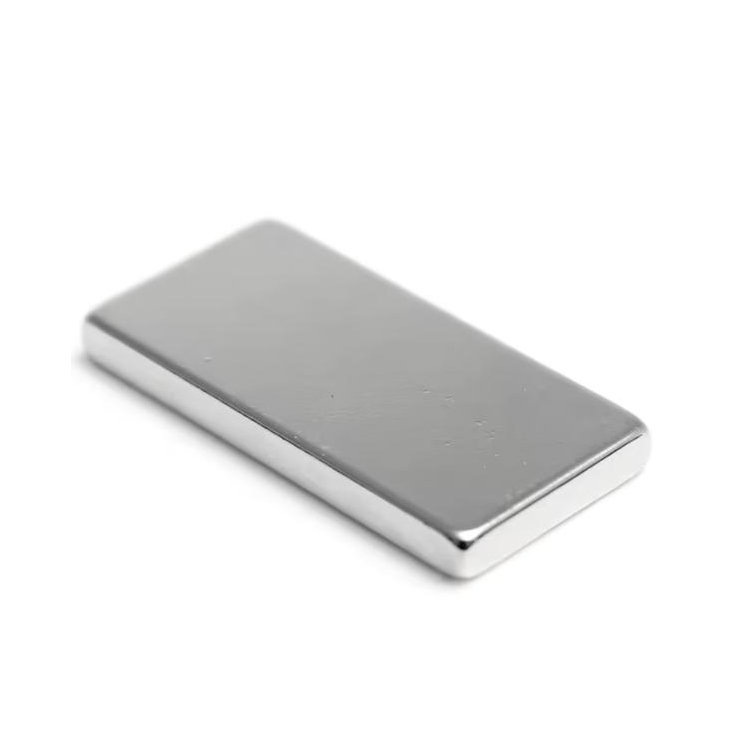
Strong magnetic fields can interfere with aircraft navigation systems and control signals. To protect flight safety, airlines restrict or prohibit the air transport of strongly magnetic materials.
In urgent cases where air transport is unavoidable, shippers must follow strict international regulations and complete required testing procedures.
IATA Regulations on Magnetic Cargo
The International Air Transport Association (IATA) classifies magnetic goods as dangerous goods. These regulations impose strict controls on their air transportation.
Any air cargo that contains magnetic materials must undergo magnetic testing before shipment. This rule applies not only to magnetic steel but also to products such as audio equipment, motors, and instruments with magnetic components.
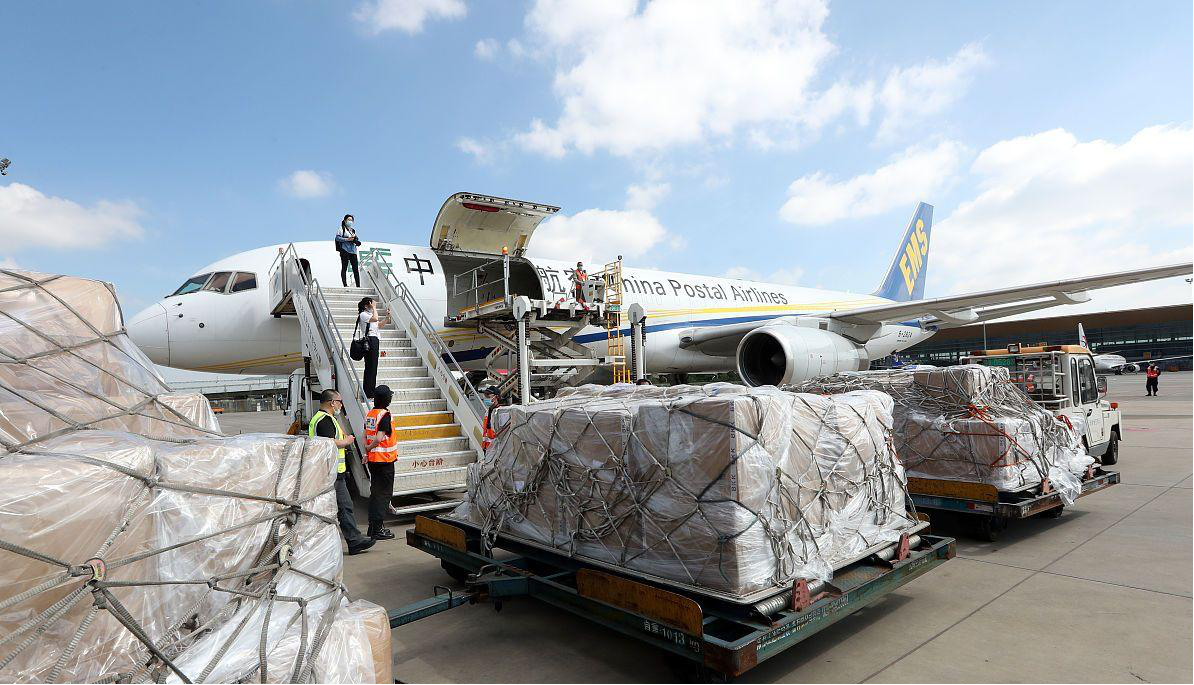
Magnetic Field Limits for Air Transport Approval
IATA regulations define clear magnetic field thresholds:
-
If the maximum magnetic field strength at 2.1 meters does not exceed 0.159 A/m, the cargo does not qualify as magnetic and can ship as ordinary goods.
-
If the field strength at 2.1 meters exceeds 0.159 A/m, but the field at 4.6 meters remains below 0.418 A/m, carriers may accept the cargo as dangerous goods.
-
If the cargo exceeds both limits, airlines strictly prohibit air transport.
To meet these limits, shippers must apply magnetic shielding before air shipment.
Magnetic Shielding Packaging Requirements
Shippers usually apply magnetic shielding using high-permeability materials such as cold-rolled steel or galvanized steel. These materials confine most of the magnetic field inside the shield and reduce external leakage.
After shielding, workers place the cargo inside a cardboard or wooden outer box. This packaging method ensures compliance with air transport safety standards.
Magnetic Testing and Air Transport Eligibility Report
Airlines and logistics providers require shippers to complete magnetic testing and submit an Air Transport Eligibility Identification Report.
Certified professional testing companies recognized by civil aviation authorities issue this report. During testing, technicians measure stray magnetic fields on all six sides of the packaged cargo.
The testing process does not damage the packaging and does not require opening the cargo. Once the cargo passes testing, it qualifies for air transport.
Courier and International Shipping Practices
Based on industry experience, most domestic courier companies in China, including SF Express and Shentong, refuse magnetic materials for air transport. These companies usually limit such shipments to ground transport.
For international shipping, carriers like DHL and UPS require magnetic testing reports. DHL may assist with the testing application, but customers must cover the associated costs.
Key Takeaway
Magnetic materials can ship by air only when shippers meet strict IATA limits, apply proper magnetic shielding, and pass certified testing. Careful preparation ensures compliance, safety, and successful delivery.