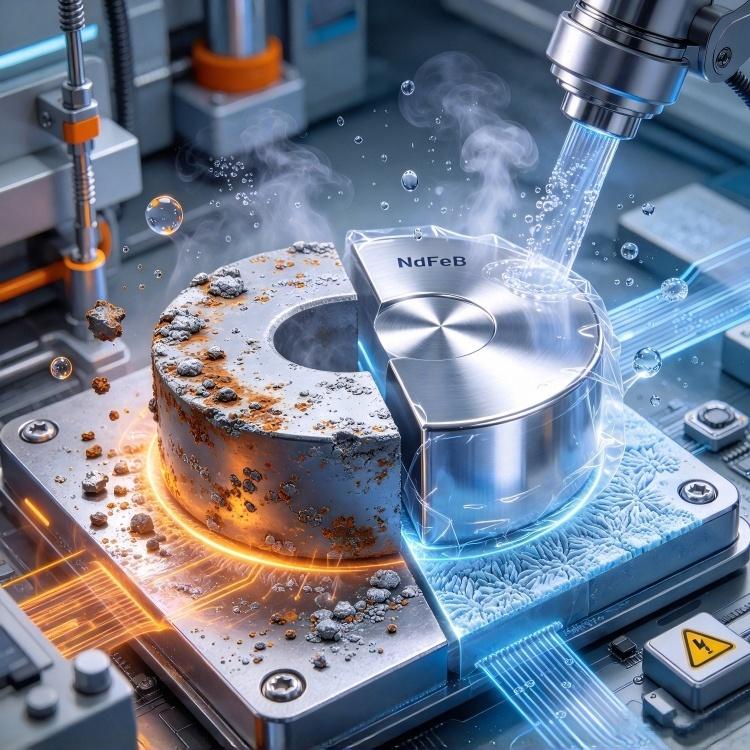
It is widely known that sintered neodymium iron boron (NdFeB) magnets are prone to oxidation and corrosion, which can lead to a decline or loss of magnetic properties over time. Therefore, strict anti-corrosion treatment is essential before use. In addition to common electroplating methods, surface treatments for NdFeB magnets can include chemical plating, electrophoretic coating, general coating, and phosphating. Today, we will introduce the knowledge related to phosphating.
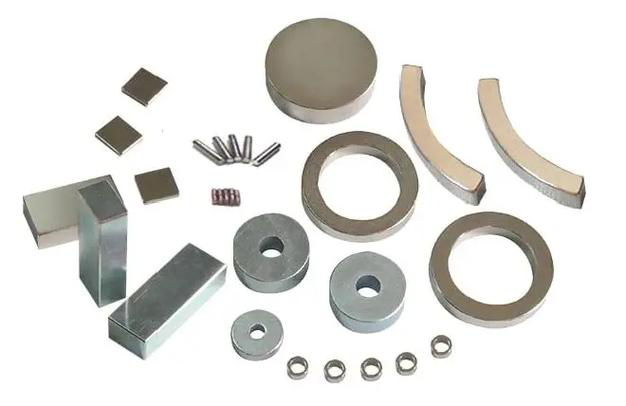
Purpose of Phosphating
There are two primary purposes for phosphating NdFeB magnets:
-
Interim Corrosion Protection: It provides temporary corrosion protection during processing.
-
Improved Surface Wettability: Phosphating enhances the magnet’s surface properties, allowing better adhesion for subsequent processes.
Corrosion Prevention with Phosphating
Due to the low density and porous nature of sintered NdFeB magnets, bare magnets are highly susceptible to oxidation in the air, also known as corrosion. Phosphating is necessary when magnets are in transit or stored for extended periods without a clear surface treatment method.
Phosphating is an effective anti-corrosion process with minimal resource consumption, mainly acids, alkalis, and phosphating solutions. It requires no significant equipment investment, and the low production cost ensures a high return on investment.
Benefits of Phosphating
-
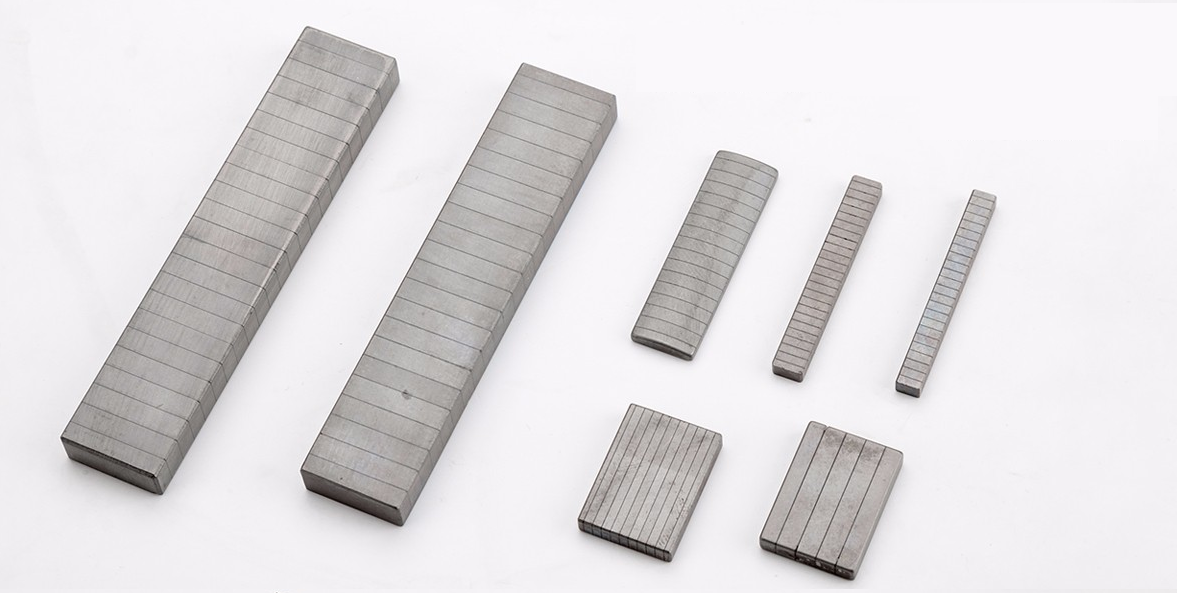
Uniform Surface Appearance: After phosphating, the magnet has a uniform color and clean surface. This makes vacuum packaging possible and significantly extends storage time.
-
Enhanced Resistance to Oxidation: The phosphating film resists oxidation and corrosion in normal atmospheric environments.
-
Improved Processability: Phosphated magnets are easy to treat for subsequent processes like zinc or nickel plating. The phosphating film can be completely removed with a simple acid wash without affecting further treatments.
Phosphating and Adhesion Improvement
Some NdFeB magnets require treatments like epoxy adhesive bonding, general adhesive bonding, or painting. For these applications, the adhesive strength of epoxy paints and other organic substances requires good wettability with the substrate. Phosphating enhances the wettability of the surface, allowing for better adhesion to organic materials.
Phosphating Systems and Temperature Control
Phosphating solutions come in various types: zinc-based, iron-based, manganese-based, binary, ternary, and multivariate systems. Each system has its pros and cons. Magnet manufacturers choose the most suitable system based on procurement prices and usage effects.
Phosphating processes can be categorized by temperature: high-temperature, medium-temperature, and room-temperature types. Magnet manufacturers mainly use room-temperature processes, though temperature control is essential for stability.
Summary
Phosphating is a highly effective and cost-efficient surface treatment for NdFeB magnets. It provides corrosion protection, improves surface wettability, and supports the magnet’s subsequent processing. This method ensures the magnets perform well throughout their lifecycle, from storage to use.