Sintered neodymium magnets play a key role in modern industrial systems. Engineers use them in motors, automation equipment, sensors, and energy systems because they deliver strong magnetic performance in compact sizes.
As a professional NdFeB magnet manufacturer, DAWA has spent more than 33 years working in rare earth magnetic materials. In real production, engineers do not rely on a single step. Instead, they build magnet performance through a full neodymium magnet production system, where every process stage directly influences final quality. Below is a clear explanation of the full sintered magnet process, written from a practical manufacturing perspective.
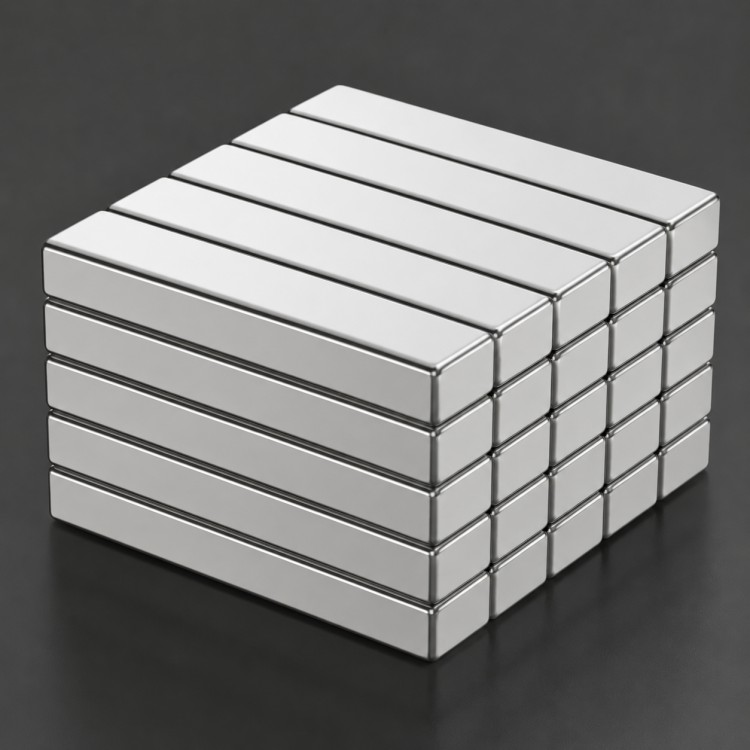
01. Material Design: Engineers Define Performance First
Every magnet starts with material design.
Engineers build the base structure using Nd₂Fe₁₄B, which combines:
- Neodymium (Nd)
- Iron (Fe)
- Boron (B)
To meet different performance needs, engineers also add or adjust elements such as:
- Dysprosium (Dy)
- Praseodymium (Pr)
- Cobalt (Co)
- Aluminum (Al)
At this stage, DAWA engineers define magnetic strength, temperature resistance, and stability. This step decides how the final rare earth magnet will perform in real applications.
02. Melting: Creating a Stable Alloy Structure
After material design, engineers melt all raw materials in a vacuum induction furnace.
They control the process carefully:
- They heat the furnace to around 1300°C
- They melt Fe, Nd, Dy, Co, and other elements completely
- They maintain stable conditions for several hours
This process creates a uniform alloy structure. A stable melting process ensures better performance in later steps. If engineers fail to control this stage, the final industrial permanent magnet may show unstable magnetic behavior.

03. Hydrogen Decrepitation: Breaking the Alloy in a Controlled Way
After solidification, engineers transfer the alloy into a hydrogen chamber.
They then:
- Seal the chamber
- Remove air
- Inject hydrogen gas at controlled pressure
The alloy reacts with hydrogen and breaks apart naturally. Engineers use this method to reduce the alloy into a form suitable for fine processing. This step improves efficiency in the later stages of the sintered magnet process.
04. Air-Jet Milling: Producing Fine Magnetic Powder
Next, engineers use air-jet milling equipment to produce fine powder.
High-speed airflow collides particles and breaks them into uniform powder.
During this stage, engineers focus on:
- Particle size control
- Powder consistency
- Flow behavior
Good powder quality directly improves final magnetic performance in NdFeB magnet manufacturer production systems.
05. Forming: Engineers Align Magnetic Direction
After powder preparation, engineers move to forming.
They place powder into a mold and apply:
- A strong magnetic field
- Mechanical pressure
This allows particles to align in a specific direction.
Engineers carefully control this step because it determines:
- Magnetic orientation
- Output efficiency
- Final performance stability
Different applications require different alignment strategies for neodymium magnet production.
06. Sintering: Engineers Lock in Final Performance
Finally, engineers sinter the compacted material in a vacuum furnace.
During sintering:
- Particles bond together
- Density increases
- Magnetic structure stabilizes
After sintering, engineers often perform:
- Heat treatment
- Machining
- Surface coating
- Magnetization
This completes the full sintered magnet process, turning raw material into a finished rare earth magnet product.
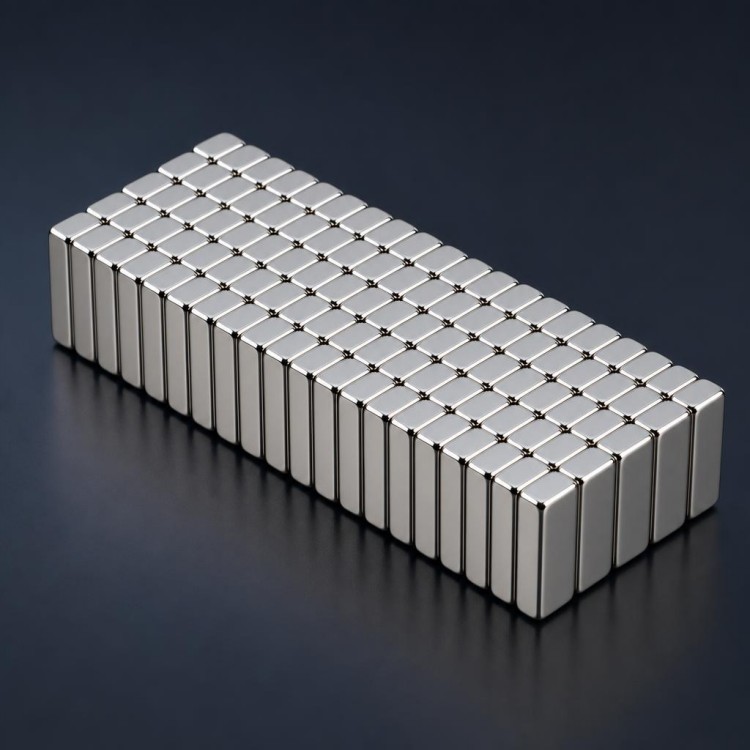
DAWA Manufacturing Approach
At DAWA, engineers manage every stage of production instead of relying on a single process step.
We control:
- Material selection
- Melting stability
- Powder consistency
- Magnetic orientation accuracy
- Final inspection quality
With over 33 years of experience as a NdFeB magnet manufacturer, we focus on stable production systems that deliver consistent industrial permanent magnet performance.
Manufacturing sintered neodymium magnets requires a complete engineering system, not just a single production step. Each stage—from material design to sintering—directly affects the final magnetic performance. When engineers control every part of the neodymium magnet production process correctly, they achieve stable, high-performance magnets suitable for demanding industrial applications. DAWA continues to improve every stage of this process to ensure reliable magnetic solutions for global customers.