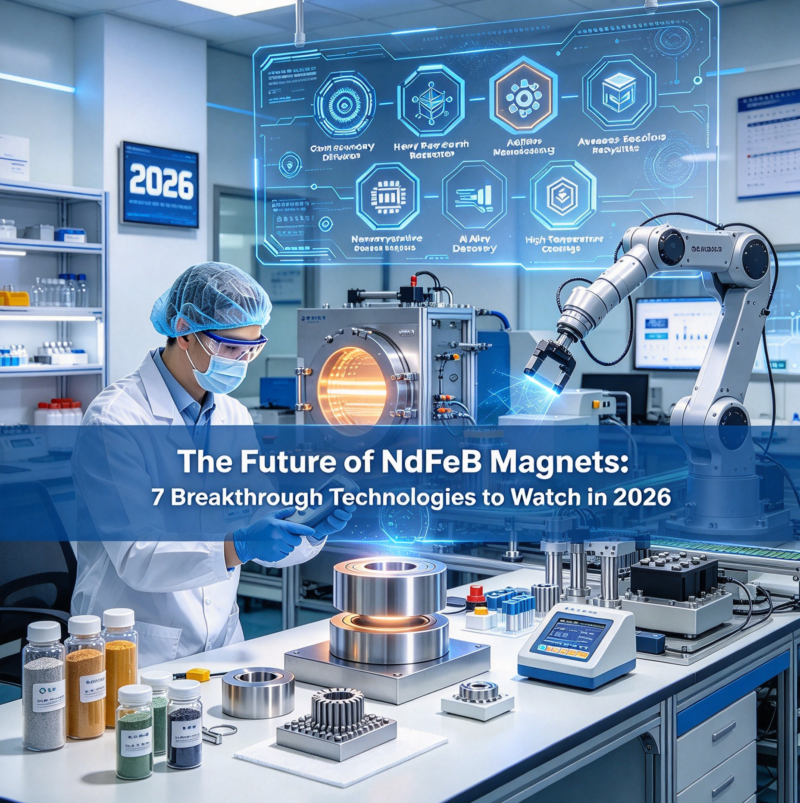
For most industrial buyers, the first practical question is not about magnet grade or coating—it is about MOQ (Minimum Order Quantity). When sourcing a permanent neodymium magnet, MOQ determines whether a project can start as a prototype, a pilot run, or a full-scale production order.
At DAWA, we work closely with OEM and B2B customers across automation, electronics, packaging, and industrial equipment. One clear conclusion from long-term cooperation is this: MOQ is not a fixed barrier—it is a production logic tied to customization depth.
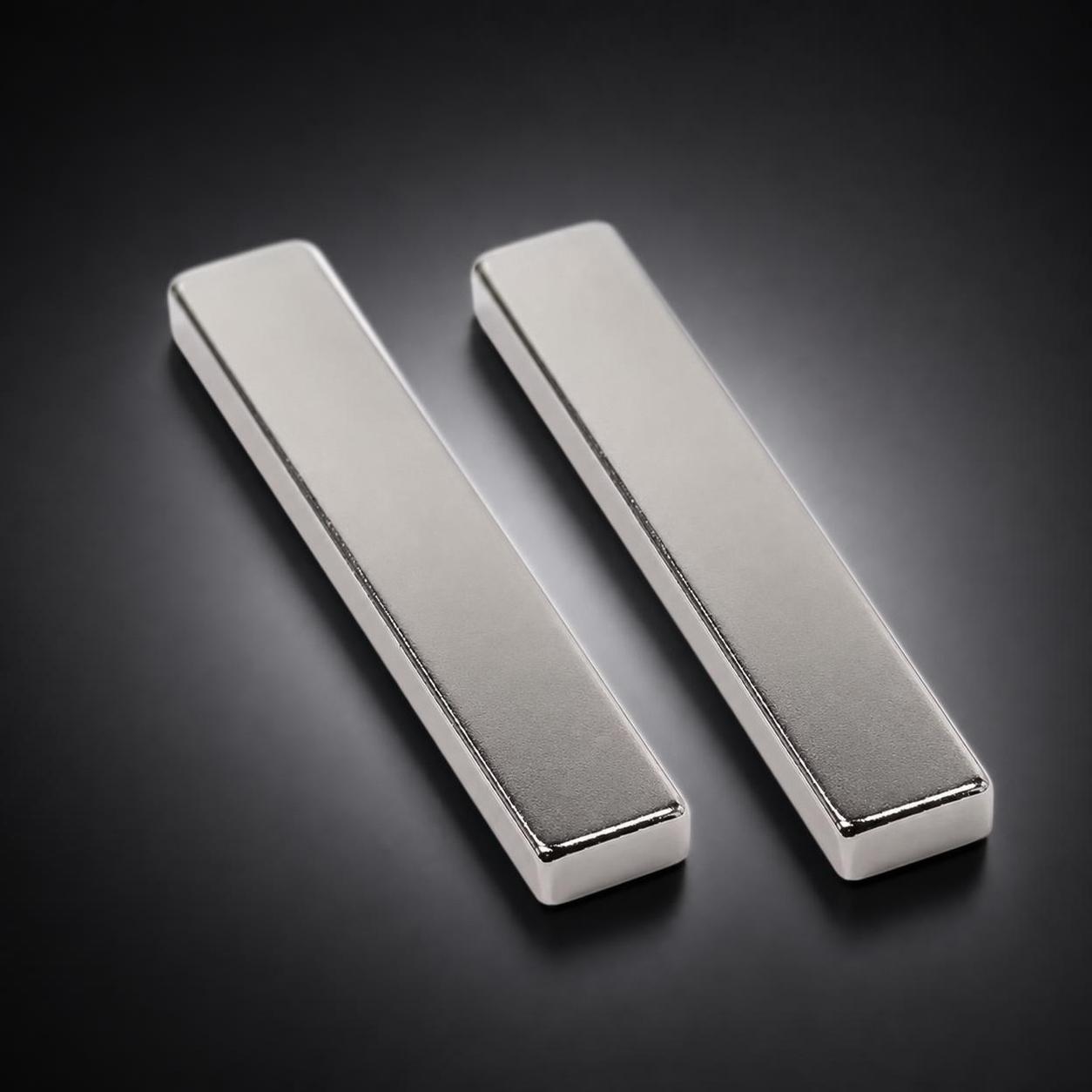
Why MOQ Matters in Neodymium Magnet Procurement
A strong neodymium magnet is not a simple commodity product. It is a precision material involving rare earth metallurgy, sintering, machining, coating, and magnetic testing.
MOQ exists because each production batch involves:
- Raw material batching (NdFeB alloy consistency control)
- Mold setup for custom geometries
- Furnace and sintering line calibration
- Coating line configuration (Ni, Zn, Epoxy, etc.)
- Quality stabilization before mass output
In short, MOQ reflects how much setup is required before a high strength neodymium magnet can be produced consistently.
DAWA OEM Policy: Flexible MOQ Based on Project Type
As a professional neodymium magnet manufacturer, DAWA does not apply a one-size-fits-all MOQ rule. Instead, we adjust based on design complexity and application requirements.
1. Standard Permanent Neodymium Magnet Shapes
For common geometries such as:
- Block magnets
- Disc magnets
- Ring magnets
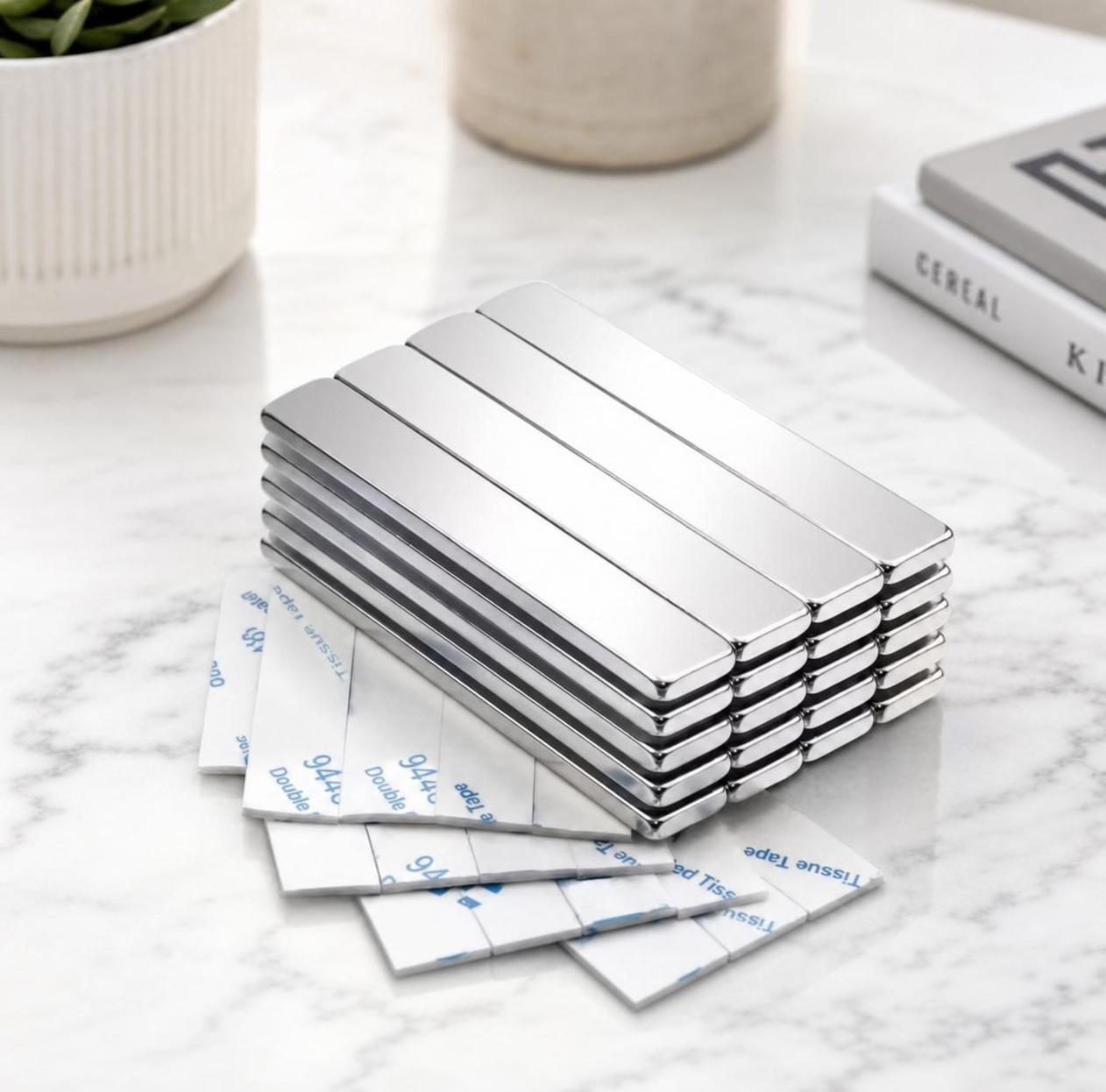
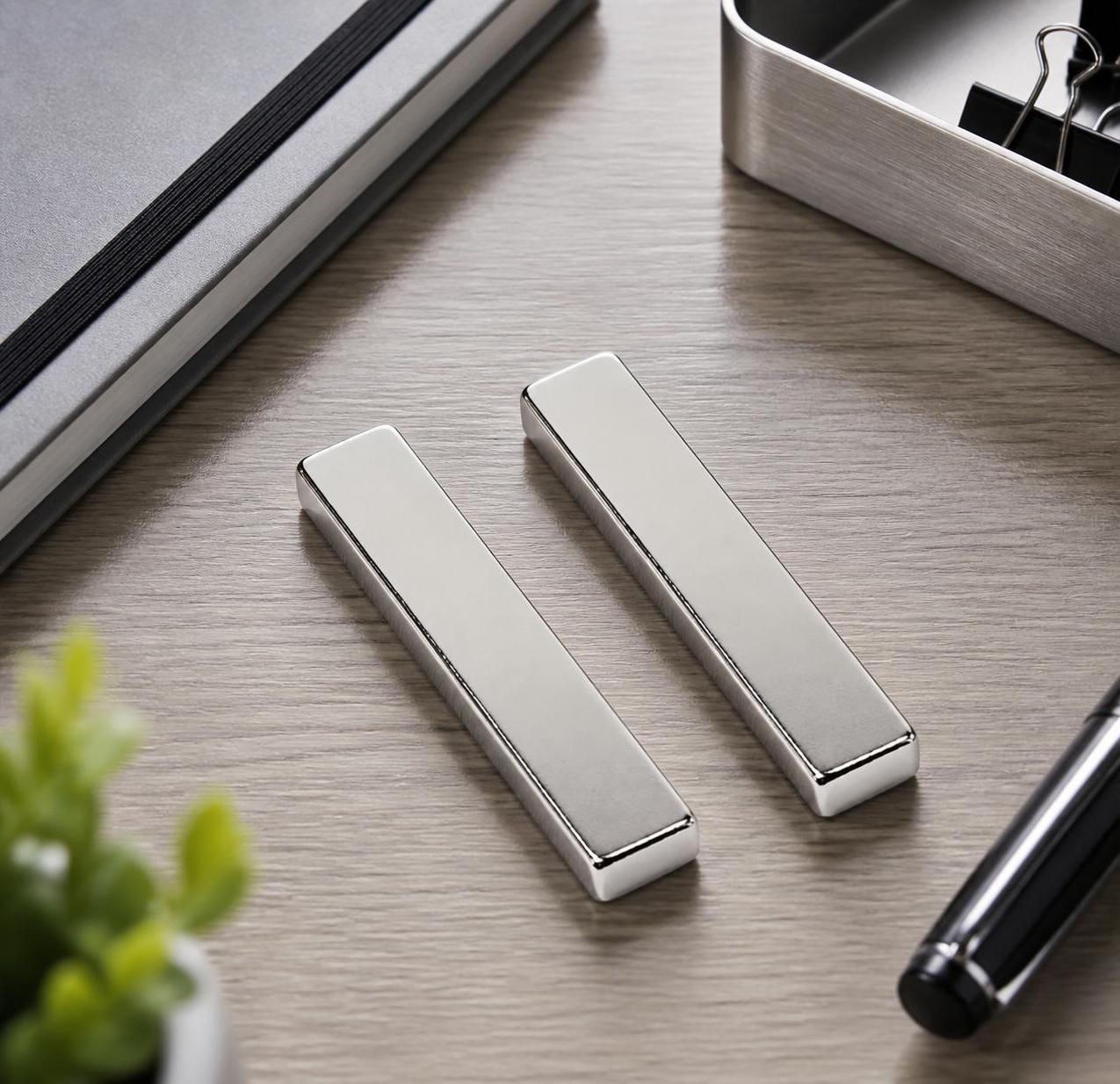
- Bar magnets
These products require minimal tooling adjustments. MOQ is relatively flexible, especially for repeat or semi-standard orders.
2. Fully Custom OEM Magnet Design
For customers who provide:
- Engineering drawings
- Physical samples
- Concept sketches or functional prototypes
We offer full OEM production of permanent neodymium magnet components.
In this case, MOQ depends on:
- Mold complexity
- Dimensional precision requirements
- Magnetic grade stability (N35–N52 range)
- Production cycle efficiency
The more customized the structure, the more the MOQ reflects setup cost distribution.
3. Custom Magnetic Grade Requirements
Different applications require different magnetic strengths:
- N35: general industrial use
- N42: balanced performance
- N52: high performance / strong field applications
A high strength neodymium magnet such as N52 requires tighter process control, which may influence batch sizing for stability.
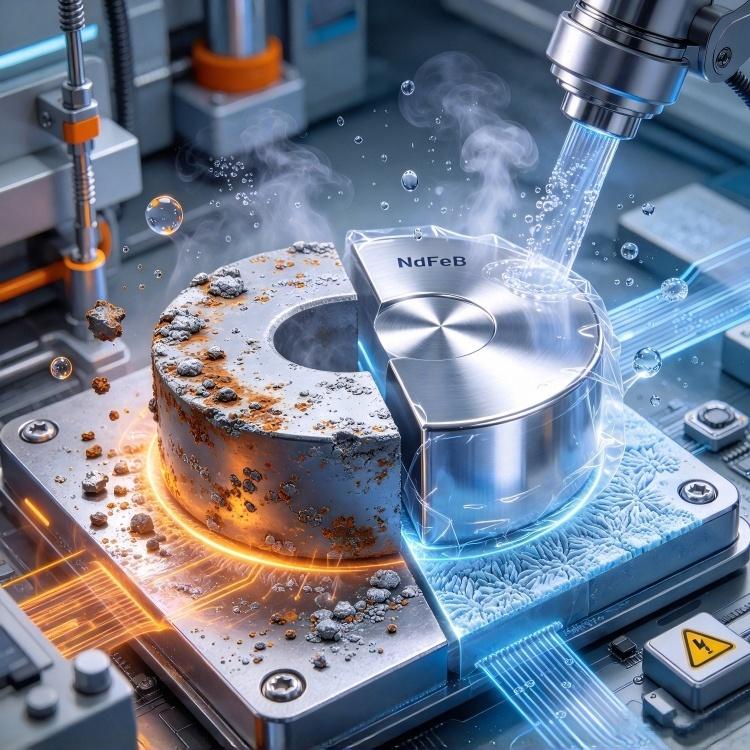
4. Surface Coating Customization
DAWA supports multiple coating options to meet environmental requirements:
- Nickel (Ni) – standard corrosion resistance
- Zinc (Zn) – cost-effective protection
- Epoxy – high durability for harsh environments
- Gold plating – premium or electronic applications
- Phosphating – enhanced adhesion layer
Each coating line setup affects production efficiency, which can influence MOQ planning.
Custom Service / OEM Capability at DAWA
DAWA is structured around full-cycle OEM support, not just production.
🧩 Custom Shaped Magnet
We support full customization based on your design requirements. If you already have a sample or pattern, we can replicate or optimize it for production stability.
🏷 Custom Logo Integration
Brand identity can be applied directly onto magnets or packaging, including engraving, printing, or labeling.
📦 Custom Magnetic Packaging
Standard packaging uses foam boxes with iron sheet protection to prevent demagnetization or collision damage during transport.
We also support:
- Retail-ready packaging
- Industrial bulk packaging
- Branded export packaging solutions
🎨 Application-Oriented Coating Design
Coating is not only protection—it affects lifespan, corrosion resistance, and surface stability in real working environments.
How DAWA Controls Quality in Every Production Stage
For strong neodymium magnet manufacturing, consistency is more important than speed. DAWA maintains a structured quality system across the entire production chain.
1. Raw Material Monitoring
Every batch of NdFeB raw material is checked for composition stability before production.
2. Full Process Supervision
From pressing → sintering → machining → coating → magnetization, each step is monitored.
3. Advanced Testing Equipment
We use professional instruments to verify:
- Magnetic flux strength
- Dimensional tolerance
- Coating thickness uniformity
- Thermal resistance stability
4. Dedicated QC Department
A specialized QC team ensures continuous inspection, not just final checks.
5. Pre-Shipment Verification
Before delivery, each batch is re-checked for:
- Appearance defects
- Magnetic deviation
- Packaging integrity
This ensures every permanent neodymium magnet delivered meets industrial reliability standards.
Practical Insight: How Buyers Should Think About MOQ
Instead of asking “What is the MOQ?”, industrial buyers should evaluate:
- Is this a prototype or mass production project?
- How complex is the magnet geometry?
- Is magnetic performance critical or standard?
- What is the expected lifecycle of the application?
In most OEM projects, MOQ is ultimately a negotiation between:
engineering feasibility + cost efficiency + production stability
Conclusion:
For buyers sourcing from a neodymium magnet manufacturer, MOQ is not simply a number—it is a reflection of production engineering reality. At DAWA, we focus on making MOQ flexible, logical, and aligned with real industrial demand, whether for a small trial batch or large-scale OEM production of permanent neodymium magnets. If your project requires customization in shape, grade, coating, or packaging, DAWA provides a structured OEM pathway to move from concept to stable mass production efficiently.