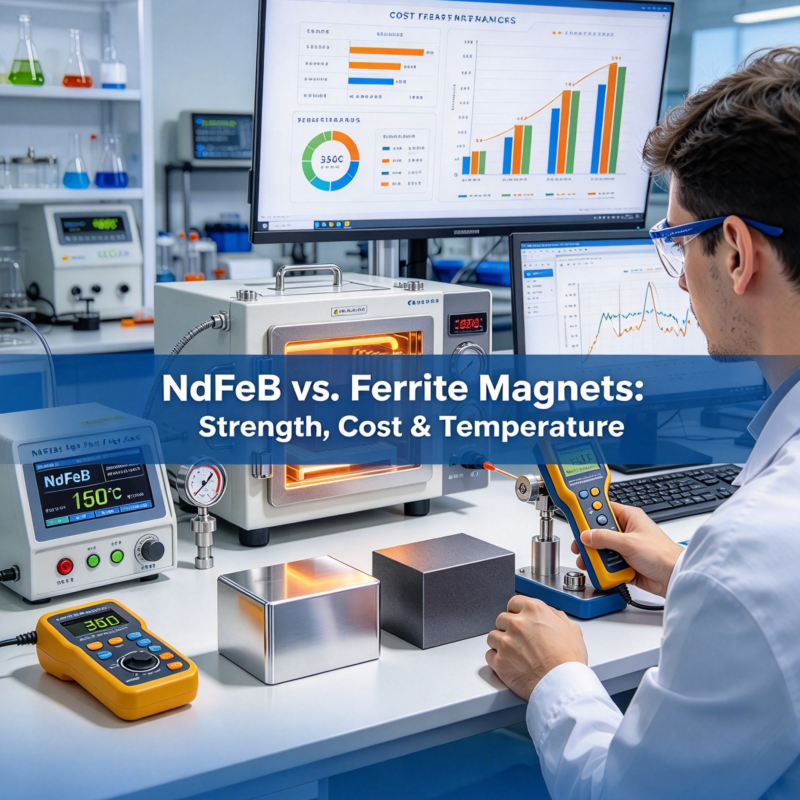
N52 neodymium magnets are among the strongest permanent magnets used in modern industry. Engineers and manufacturers rely on them for applications such as motors, sensors, electronics, and renewable energy systems. Because these magnets deliver exceptional magnetic strength in compact sizes, they play a crucial role in high-performance products.
But how do manufacturers actually produce these powerful magnets? And how do they ensure consistent quality? In this article, we explore how a professional neodymium magnets manufacturer produces and tests N52 magnets in a modern neodymium magnets factory.
What Makes N52 Neodymium Magnets So Powerful?
Before discussing the production process, it is important to understand what makes N52 magnets special.
Neodymium magnets belong to the rare earth magnet family. Manufacturers create them using an alloy of neodymium, iron, and boron (NdFeB). Among all available magnet grades, N52 provides one of the highest magnetic energy levels.
Therefore, many industries prefer N52 magnets when they need strong magnetic performance in a compact design.
Common applications include:
-
Electric motors
-
Industrial automation systems
-
Consumer electronics
-
Medical equipment
-
Renewable energy technology
As a result, demand for high-quality neodymium magnets continues to grow worldwide.

Step-by-Step Manufacturing Process of N52 Neodymium Magnets
A professional neodymium magnets factory follows a precise manufacturing process. Each stage affects the final magnetic strength and product reliability.
1. Raw Material Preparation
First, the manufacturer prepares the main materials: neodymium, iron, and boron.
Engineers carefully measure and mix these elements to create the correct alloy composition. Even small variations can affect magnet performance. Therefore, experienced neodymium magnets manufacturers use strict material control systems.
2. Alloy Melting and Strip Casting
Next, the materials melt inside a high-temperature vacuum furnace. The vacuum environment prevents oxidation and contamination.
After melting, the factory rapidly cools the alloy using strip casting technology. This process forms thin metal strips with a uniform microstructure.
Because of this controlled cooling process, the magnet material develops better magnetic properties.
3. Fine Powder Milling
After casting, technicians crush the alloy strips into small particles. Then they grind the material into extremely fine magnetic powder.
During this stage, the factory uses specialized equipment to control particle size. In addition, workers maintain strict environmental protection measures because the powder can react easily with air.
4. Pressing and Magnetic Alignment
Next, the powder enters a pressing machine that shapes the magnet.
At the same time, engineers apply a powerful magnetic field during pressing. This magnetic field aligns the microscopic particles in the same direction.
As a result, the finished magnet gains strong magnetic properties.
Manufacturers can produce different shapes at this stage, including:
-
Disc magnets
-
Block magnets
-
Ring magnets
-
Custom shapes for industrial equipment
5. High-Temperature Sintering
After pressing, the magnets move into a sintering furnace.
During sintering, high temperatures bond the particles together and create a dense solid structure. This step significantly improves both mechanical strength and magnetic performance.
Therefore, accurate temperature control is essential in every professional neodymium magnets factory.

6. Precision Machining
Sintered magnets become extremely hard and brittle. For this reason, manufacturers use diamond grinding machines to achieve precise dimensions.
At this stage, engineers shape the magnets according to customer requirements.
Many companies request custom shapes for motors, sensors, and industrial equipment. Therefore, experienced neodymium magnets manufacturers often provide customized machining services.
7. Protective Surface Coating
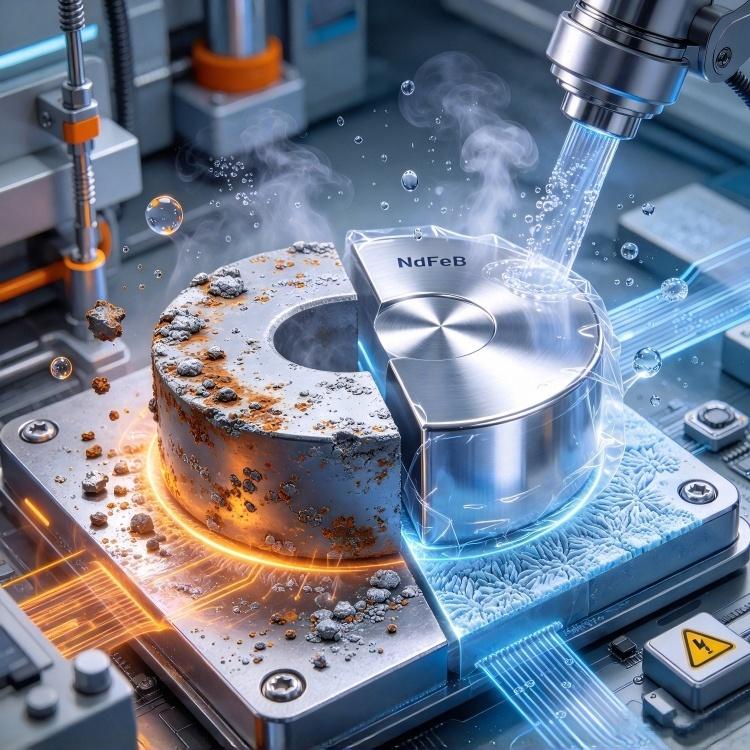
Neodymium magnets can corrode if exposed to moisture or air. Because of this, manufacturers apply protective coatings.
Common coating options include:
-
Nickel (Ni-Cu-Ni)
-
Zinc
-
Epoxy coating
-
Gold coating
These coatings protect the magnet surface and improve durability.

How Are N52 Neodymium Magnets Tested?
High-quality magnets require strict testing procedures. Therefore, a professional neodymium magnets manufacturer performs multiple inspections before shipping products.
Magnetic Performance Testing
First, engineers measure the magnetic properties of each batch.
Important parameters include:
-
Remanence (Br)
-
Coercivity (Hc)
-
Maximum energy product (BHmax)
These values confirm whether the magnets meet the N52 grade standard.
Dimensional Accuracy Inspection
Next, technicians check the size and tolerance of each magnet using precision instruments.
Accurate dimensions are essential because many magnets operate inside motors or electronic devices.
Coating Quality Testing
The factory also checks the coating thickness and adhesion. In addition, corrosion resistance tests ensure that the coating protects the magnet in real operating environments.
Temperature Resistance Testing
Some industrial applications expose magnets to high temperatures. Therefore, engineers perform thermal stability tests.
These tests verify that the magnets maintain their magnetic strength under demanding conditions.
Why Work with a Professional Neodymium Magnets Manufacturer?
Choosing the right supplier plays an important role in product performance.
An experienced neodymium magnets manufacturer such as Dawa combines advanced equipment, strict quality control, and professional engineering support. As a result, customers receive reliable magnets for demanding applications.
Key advantages include:
-
Custom magnet design services
-
Stable production capacity
-
Strict quality inspection systems
-
Global export experience
Because of these strengths, many companies rely on professional neodymium magnets factories for long-term industrial supply.
Conclusion
The production of N52 neodymium magnets involves advanced materials science, precision manufacturing, and strict testing procedures. From alloy preparation to final inspection, every step influences magnet performance.
Therefore, companies should choose a reliable neodymium magnets manufacturer when sourcing industrial magnets. A professional neodymium magnets factory like Dawa can provide high-performance products that meet modern engineering demands.