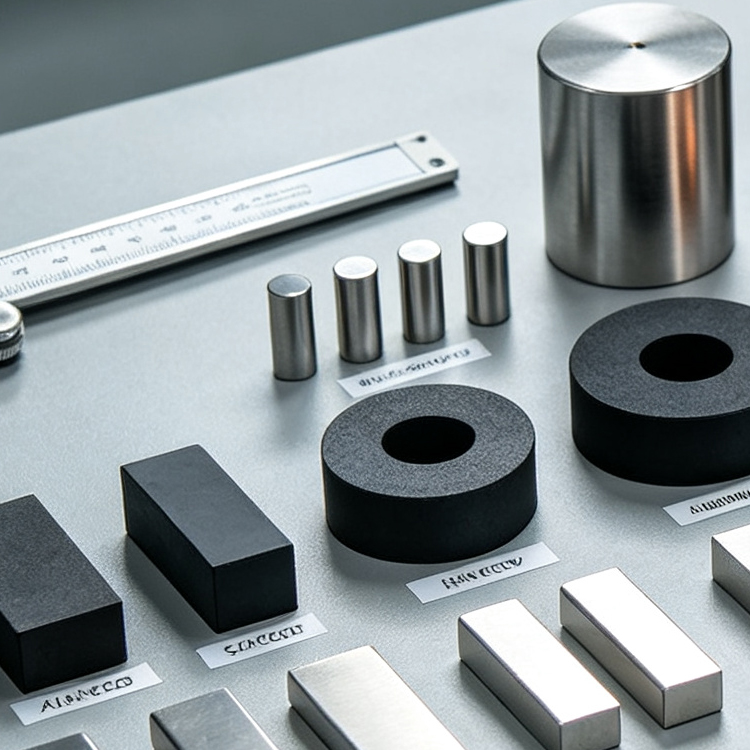
Selecting the right industrial NdFeB magnet is critical for high-performance motors, generators, and precision machinery. The wrong choice can lead to efficiency loss, increased maintenance, or even component failure. Here’s a practical guide for B2B clients to make informed decisions.
1️⃣ Which Magnet Type Should I Choose?
Industrial clients typically encounter three main types of neodymium magnets:
-
Sintered NdFeB Magnet: High density, excellent magnetic strength, and ideal for long-term industrial use.
-
NdFeB Permanent Magnet: Retains magnetism without power, suitable for motors and actuators.
-
Rare Earth Sintered Magnet (Neodymium Iron Boron Magnet): High energy density, compact design, perfect for space-constrained machinery.
Tip: Evaluate the application—motors and high-speed machinery usually benefit from sintered NdFeB magnets due to their stability.
2️⃣ How Strong Should the Magnet Be?
Magnetic strength is measured in Mega Gauss Oersteds (MGOe). Common grades for industrial applications range from N35 to N52.
-
High-strength magnets allow for smaller components without losing performance.
-
Selecting the right grade avoids over-engineering and unnecessary costs.
Pro Tip: For heavy-duty motors, choose a magnet with sufficient energy product to maintain torque and efficiency under load.

3️⃣ What About Temperature Resistance and Coating?
Industrial environments can be harsh: high heat, humidity, or corrosive conditions.
-
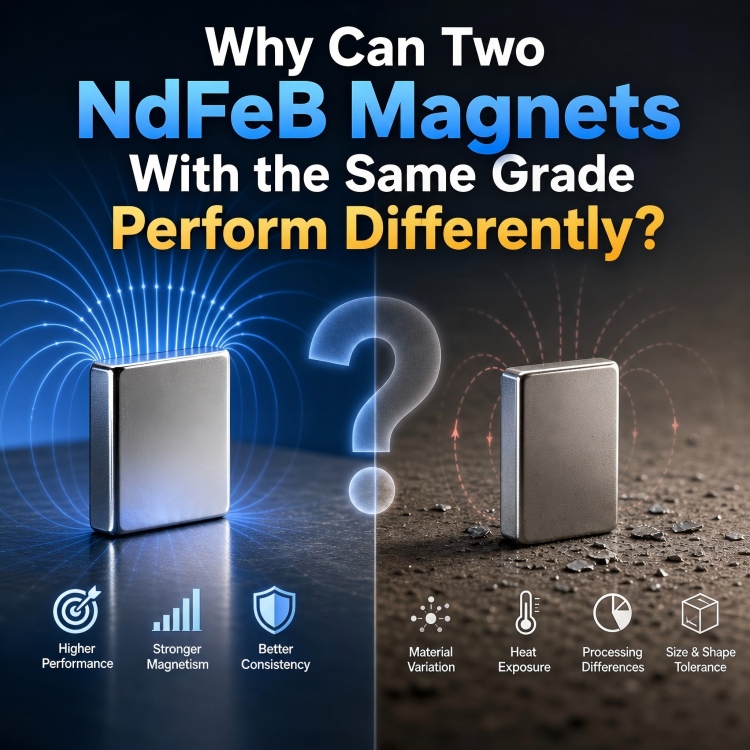
Temperature Resistance: Standard magnets can lose strength at high temperatures. High-temperature grades maintain magnetism.
-
Coatings: Nickel, epoxy, or gold coatings prevent corrosion and prolong life.
DAWA Solution: Coated rare earth sintered magnets provide durability even in extreme industrial conditions.
4️⃣ Which Size and Shape Fits My Equipment?
Magnet geometry directly affects industrial performance:
-
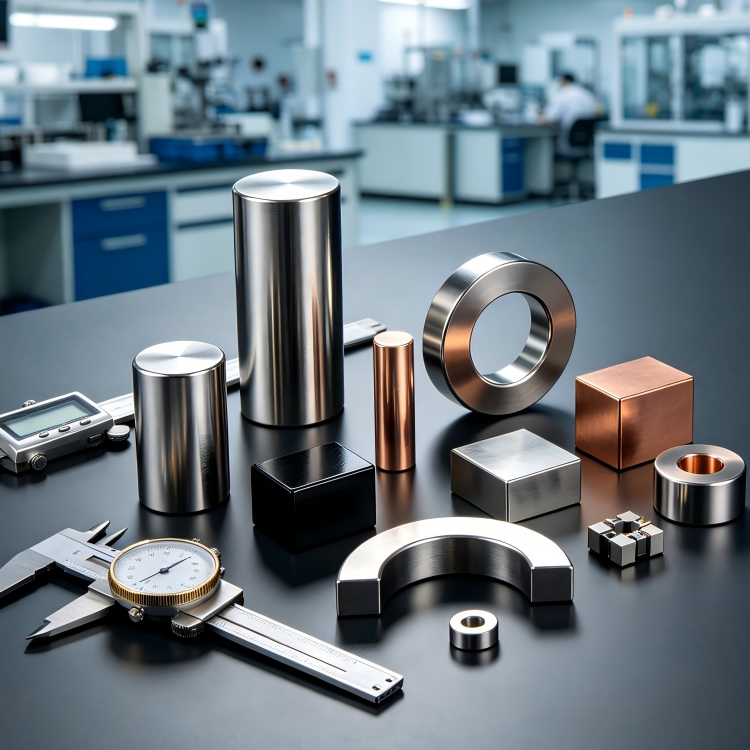
Disc, block, arc, or custom shapes can optimize flux distribution.
-
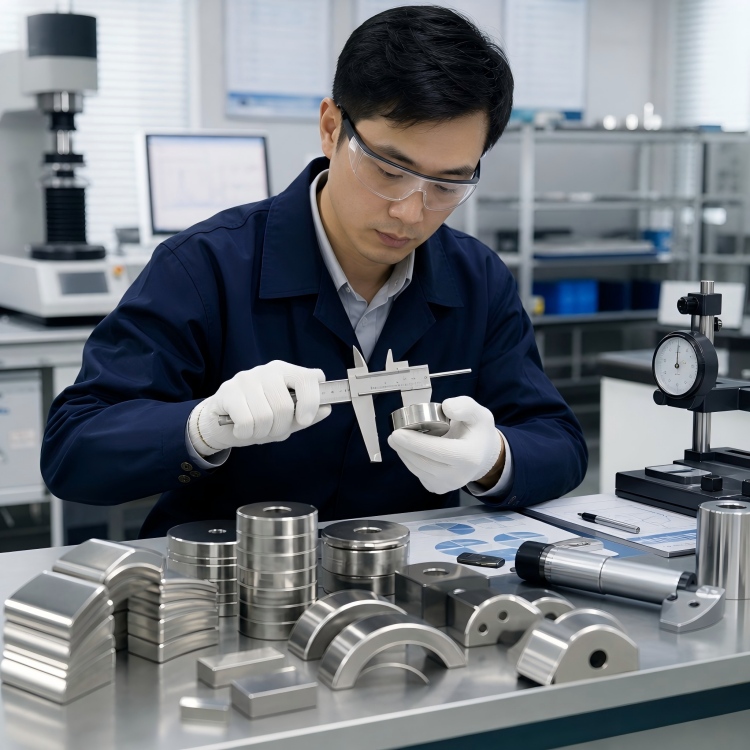
Precision in size ensures easy integration with machinery components.
B2B Insight: Custom neodymium iron boron magnets reduce assembly adjustments and improve efficiency.

5️⃣ How Can I Ensure Mechanical Durability?
Sintered NdFeB magnets are brittle and sensitive to shocks:
-
Epoxy-coated or reinforced magnets improve durability.
-
Mounting options: Countersunk holes, adhesive, or press-fit reduce the risk of detachment.
DAWA Advice: Choose heavy-duty magnets designed for vibration-prone industrial settings.
6️⃣ Bulk Supply and Customization—Why It Matters
For industrial projects, availability and flexibility are key:
-
Reliable bulk supply ensures uninterrupted production.
-
Customization (size, shape, coating) improves integration and reduces costs.
DAWA Advantage: Provides scalable solutions, from standard sintered NdFeB magnets to fully customized neodymium iron boron magnets for OEM clients.

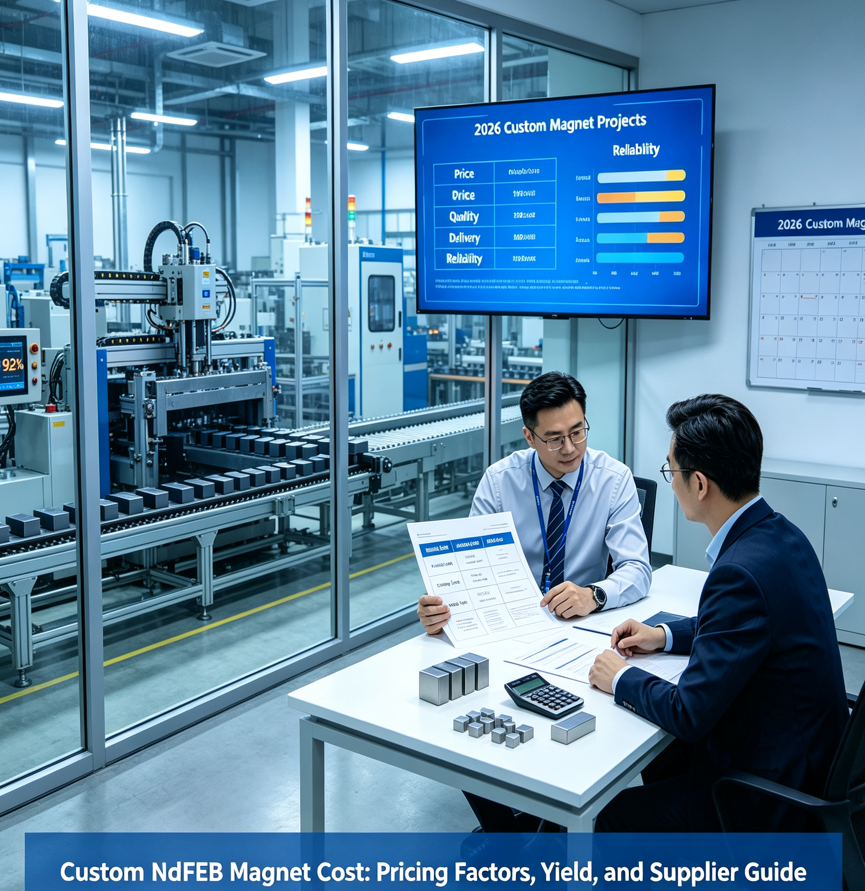
7️⃣ How to Balance Cost and Performance?
-
Avoid selecting higher grades than necessary.
-
Evaluate application requirements vs. magnet strength, durability, and coating.
-
Optimize for efficiency without inflating costs.
Pro Tip: DAWA offers competitive industrial-grade magnets that balance performance and cost-effectiveness.
✅ Conclusion
Choosing industrial NdFeB magnets is not just about picking a strong magnet; it’s about evaluating:
-
Type and material (sintered NdFeB, NdFeB permanent, rare earth sintered magnets)
-
Strength and energy product
-
Temperature resistance and corrosion protection
-
Size, shape, and mechanical durability
-
Supply consistency and customization
By considering these factors and working with trusted suppliers like DAWA, industrial clients can ensure stable, high-performance operation in motors, generators, and precision machinery.