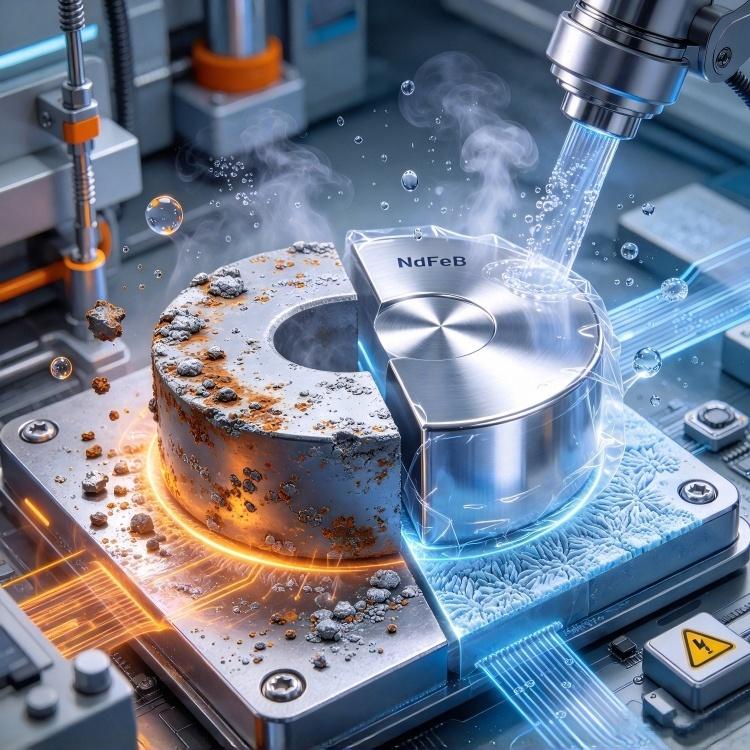
When it comes to generating powerful magnetic fields in tight spaces, no material compares to rare-earth neodymium (NdFeB).
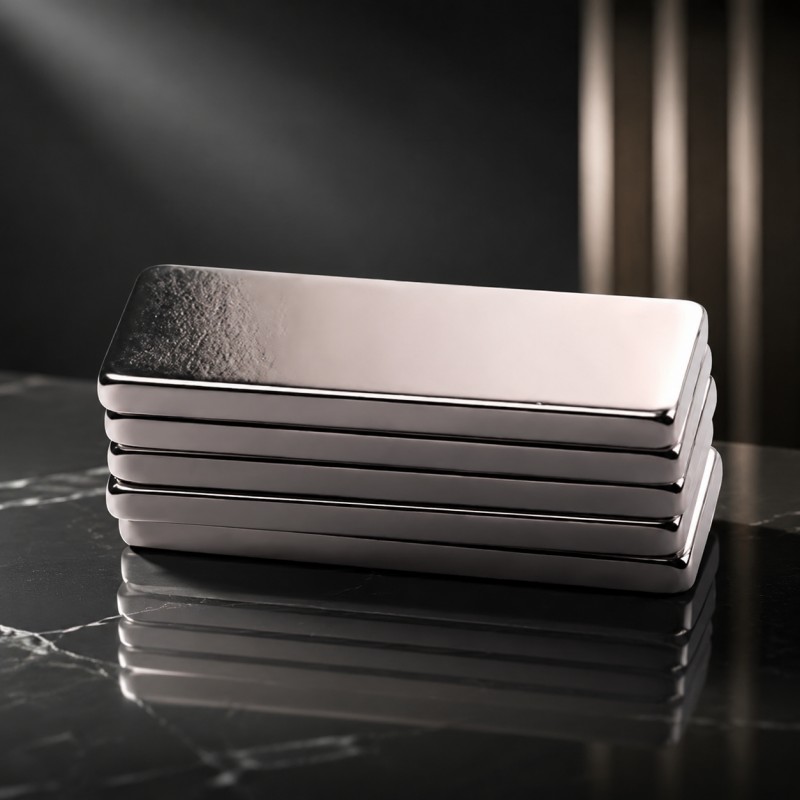
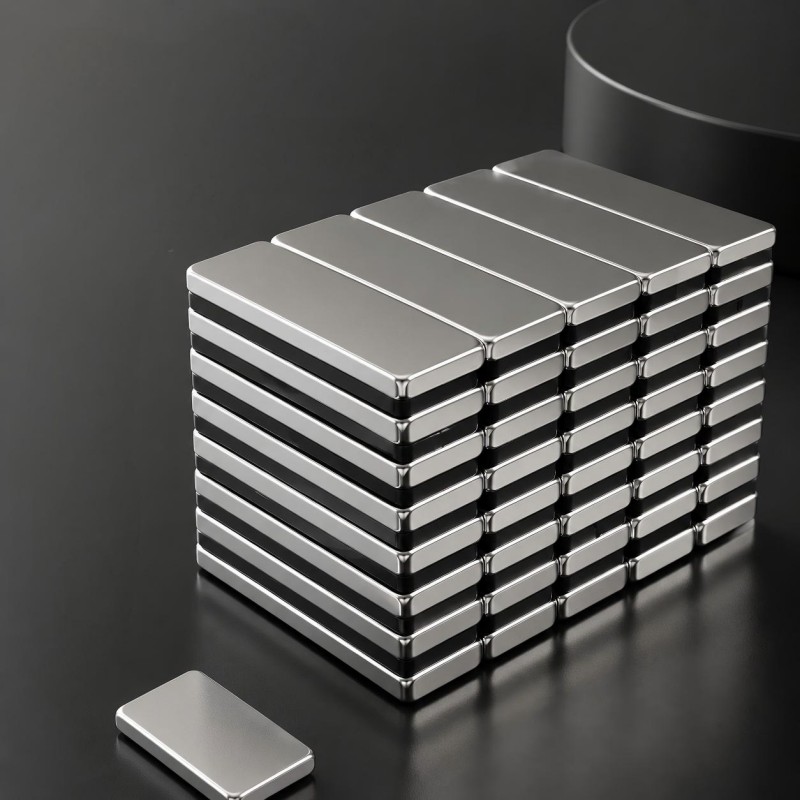
While these permanent magnets come in various shapes—such as the classic neodymium disc magnet, the versatile neodymium ring magnet, and the specialized neodymium cylinder magnet—it is the neodymium block magnet that frequently serves as the heavy-duty backbone for industrial sectors.
Let’s explore the engineering advantages that make block-shaped rare-earth magnets indispensable to global industry, and how premier manufacturers like DAWA are driving these innovations forward.
1. Superior Magnetic Force in a Structural Geometric Shape
Industries rely on the neodymium block magnet because it combines raw holding power with a flat, stable surface area. Neodymium is the strongest permanent magnet material commercially available, and the block geometry maximizes its effectiveness for heavy machinery.
Key advantages:
- Uniform Clamping Force: Unlike a rounded neodymium disc magnet, a rectangular block provides a broad, flat, and consistent contact zone, ideal for linear tracks, industrial holding fixtures, and heavy-duty magnetic separators.
- High Volume-to-Surface Ratio: The block shape allows for a large magnetic volume, enabling brands like DAWA to manufacture industrial magnets capable of lifting or securing thousands of pounds of steel.
2. Unmatched Versatility Across Industrial Machinery
While a neodymium cylinder magnet is effective for sensor applications and precise electronics, the block shape dominates heavy mechanical engineering due to its ease of integration into modular systems.
| Industrial Application | Why the Block Shape is Preferred |
|---|---|
| Wind Turbines & Generators | Blocks pack tightly into rotor slots to maximize electromagnetic efficiency. |
| Magnetic Separation Systems | Large blocks create deep magnetic fields to extract ferrous contaminants from fast-moving conveyor belts. |
| CNC Machining & Automation | Flat surfaces allow precise alignment in robotic arms and magnetic chucks. |
Production Flow Example:
Raw Sintered NdFeB → Precision Block Machining → DAWA Anti-Corrosion Coating → Heavy Industrial Assembly
3. Ease of Mechanical Fastening: The Countersunk Advantage
Mounting brittle rare-earth materials to steel frames or aluminum housings can be challenging. While a neodymium ring magnet allows a shaft to pass through its center, block magnets often require specialized mounting solutions.
Industrial setups often use countersunk neodymium magnet blocks, which feature beveled holes to allow flat-head screws to sit flush with the magnet surface. This enables secure and fast mechanical fastening directly onto factory equipment, without relying solely on adhesives.
4. Advanced Material Stability in Harsh Environments
Industrial environments expose components to extreme vibrations, moisture, and high temperatures. Raw neodymium is susceptible to oxidation and can lose magnetic strength if overheated.
DAWA ensures industrial-grade block magnets are durable through:
- High-Coercivity Grades: Optimized chemical composition (including Dysprosium) for stable operation at elevated temperatures.
- Premium Multi-Layer Plating: Ni-Cu-Ni or epoxy coatings to protect against corrosion and humidity.

Final Thoughts
The industrial dominance of the neodymium block magnet comes down to geometry and physics. While discs, cylinders, and rings play crucial roles in electronics and precision sensors, block magnets deliver the structural stability, surface contact, and sheer magnetic force required for heavy automation, renewable energy generation, and material handling.
By choosing high-performance permanent magnets engineered by trusted suppliers like DAWA, enterprises ensure their manufacturing systems remain powerful, efficient, and built to last.